
The Short Answer
Rooting a cutting directly in soil skips the eventual transition from water to soil altogether, avoiding the adjustment period a water-rooted cutting goes through when it’s finally potted up. The tradeoff is that soil propagation requires more careful attention to moisture and humidity, since you can’t simply glance at a clear container to check on root development the way you can with water propagation.
Why Soil Propagation Skips a Step Water Propagation Doesn’t
Roots that develop in water are structurally somewhat different from roots that develop in soil, adapted to constant moisture rather than the alternating wet-and-dry cycle of potted soil. This is part of why a water-rooted cutting often experiences a brief adjustment period after being potted, with some growers noticing a short pause in growth as the plant’s roots adjust to their new medium. Rooting directly in soil means the roots that form are already adapted to the environment the plant will continue living in, without that transition.
Step-by-Step: Soil Propagation
- Take a cutting with at least one node (for vining plants) or a healthy stem section, using clean, sharp scissors or shears.
- Dip the cut end in rooting hormone powder or gel, which isn’t strictly necessary for many easy-to-propagate plants but can improve success rates and speed for less cooperative species.
- Insert the cutting into pre-moistened, well-draining potting mix, burying the node or cut end while keeping remaining leaves above the soil.
- Cover the cutting and pot with a clear plastic bag or a propagation dome to maintain high humidity around the leaves while roots are developing.
- Keep the soil consistently moist (not soggy) and check periodically for gentle resistance when tugging lightly on the cutting, which indicates roots have started forming.
Why Humidity Matters More for Soil Propagation
A cutting rooting in soil has no roots yet to take up water, but its leaves are still losing moisture through transpiration the whole time roots are developing. Without a humidity dome or covering, many cuttings dry out and die before they manage to root, since the leaves are losing water faster than the still-rootless cutting can compensate for. This is a bigger risk in soil propagation than in water propagation, where the cutting’s cut end has constant, direct access to moisture the whole time.
Signs a Soil-Propagated Cutting Has Rooted
A very gentle tug on the cutting that meets resistance, rather than the cutting sliding out freely, is a reasonably reliable sign roots have formed, since actual roots anchor the cutting into the surrounding soil. New leaf growth is a later, more definitive confirmation, since a cutting can sometimes show gentle resistance from partial rooting before it’s developed enough root mass to support new growth.
When Soil Propagation Makes More Sense Than Water
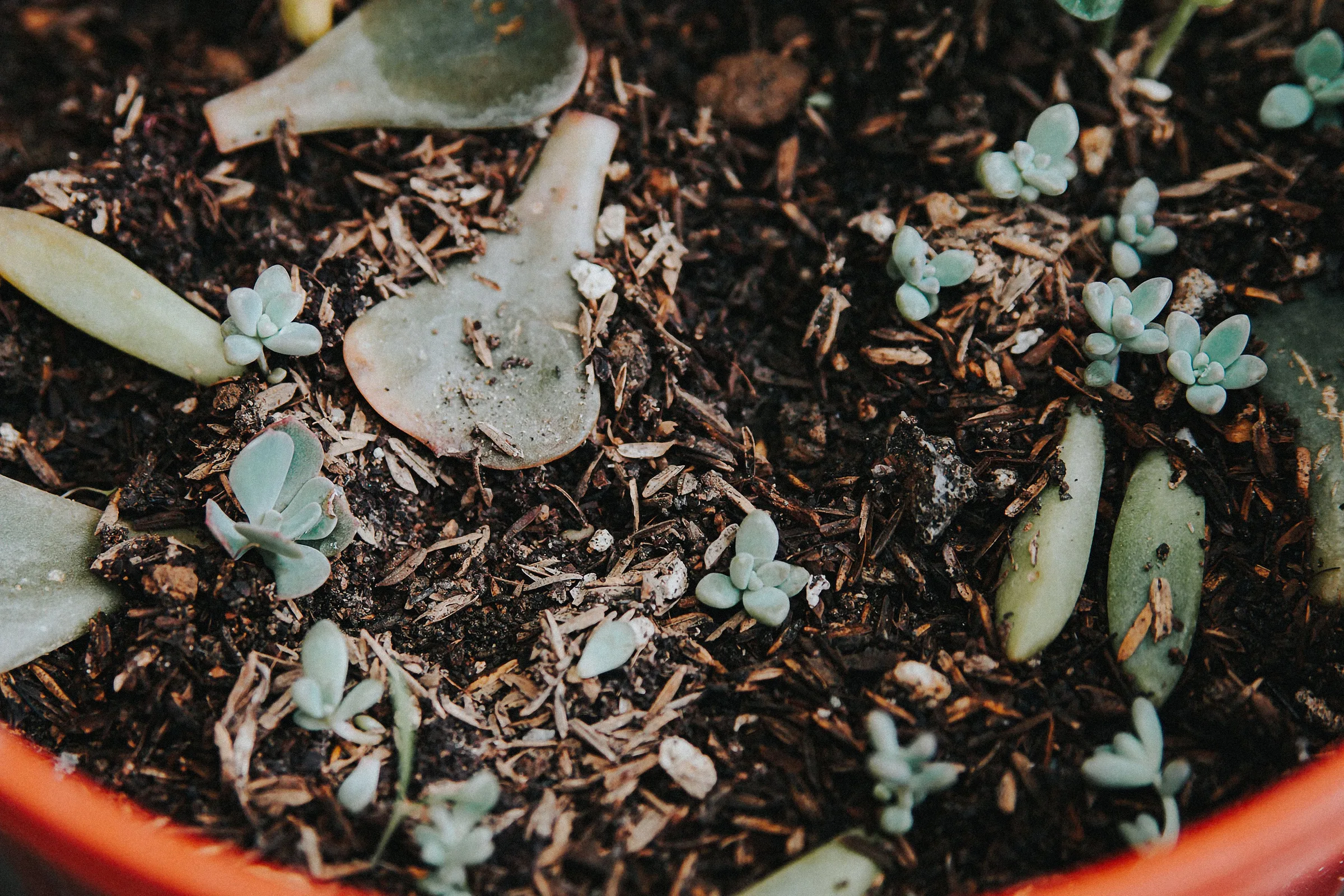
For plants that don’t propagate reliably in water at all, or for growers who want to avoid the extra step of eventually transitioning a water-rooted cutting into soil, starting directly in soil is often the more efficient overall approach despite requiring closer humidity management. It’s also generally the only realistic option for succulent stem cuttings, which are prone to rot if left sitting in standing water for an extended period.
FAQ
Is rooting hormone necessary for soil propagation?
Not for many easy plants, but it can meaningfully improve success rates and speed for species that are naturally slower or less reliable to root, making it a reasonable low-cost addition for propagation attempts in general.
How long should I keep the humidity dome or bag on?
Until new growth appears, confirming the cutting has rooted, at which point the covering can be removed gradually over a few days rather than all at once, to avoid shocking the cutting with a sudden humidity drop.
Can I mix water and soil propagation — start in water, then move to soil?
Yes, this is a common approach specifically because it lets you visually confirm roots have formed before committing to soil, at the cost of the brief adjustment period the plant goes through when it’s finally transitioned.



