
The Short Answer
A plant’s actual condition, not a fixed calendar schedule, should decide when it’s time to repot. Roots circling densely at the bottom of the pot, water running straight through without being absorbed, and visibly slowed growth despite good care are all real, checkable signals — a generic “repot every spring” rule isn’t specific enough for every plant or growing situation.
The Clearest Sign: Roots Circling the Pot
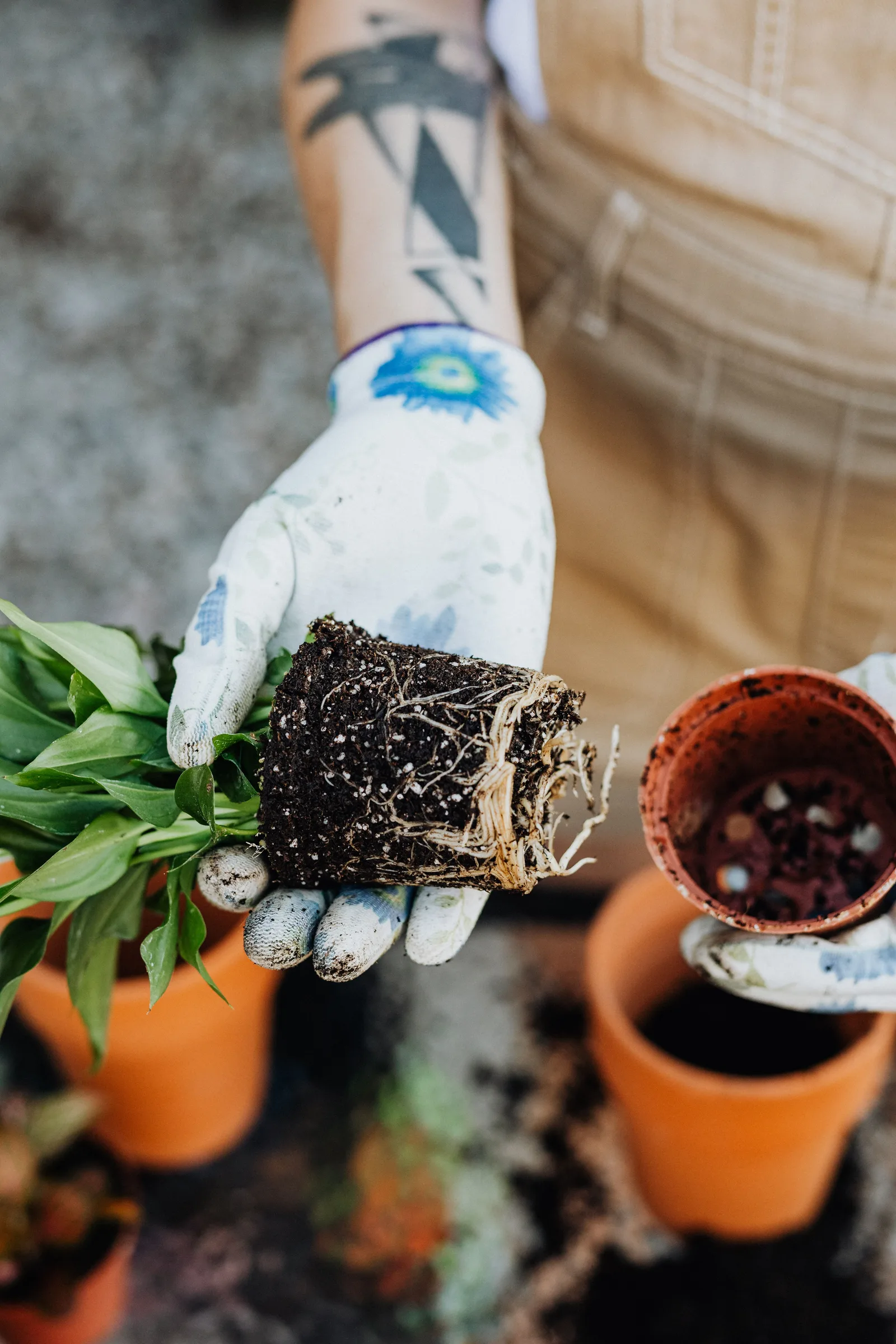
Gently sliding a plant out of its pot and checking the root ball is the most direct way to know for certain. Roots that circle tightly around the inside edge of the pot, forming a dense mat with little visible soil, mean the plant has outgrown its current container and needs more room. Roots growing out through the drainage hole are a visible sign of the same problem without needing to remove the plant at all.
Water Behavior Changes
As roots fill a pot and displace the soil that once absorbed water, the pot holds less actual soil volume relative to its size. This often shows up as water running through and out the drainage hole almost immediately after pouring, rather than being absorbed and held by the surrounding soil the way it used to. A plant that used to stay adequately moist for several days but now seems to need water every day or two, without any change in its environment, is showing a similar sign.
Slowed or Stalled Growth During the Growing Season
A plant that isn’t producing new leaves during spring or summer, despite otherwise good light, water, and feeding, may be root-bound — with too little remaining soil and root space to support new growth. This is worth distinguishing from a plant that’s simply dormant in fall or winter, when slowed growth is normal and repotting isn’t the right response.
When NOT to Repot
- A plant that’s recently arrived from a nursery or store often benefits from a couple of weeks to adjust to its new environment before also being disturbed by repotting.
- A plant that’s actively flowering is generally better left alone until blooming finishes, since repotting during bloom can stress the plant and shorten the flowering period.
- A plant showing signs of poor health unrelated to pot size (pest issues, disease, inconsistent watering) should have that underlying problem addressed first, since repotting alone won’t fix a different root cause.
- A plant that’s already in soil that still looks and drains well, with roots that aren’t visibly crowded, doesn’t need repotting just because time has passed since the last one.
How Often Repotting Actually Tends to Be Needed
Fast-growing plants like Pothos or Philodendron often need repotting every one to two years, while slow growers like many succulents or mature Snake Plants can go several years between repottings. Rather than defaulting to a fixed annual schedule for every plant, checking the actual signs above — particularly the root check, which is the most reliable single indicator — avoids both repotting too early (unnecessary disturbance) and too late (a plant stuck in an outgrown pot for too long).
FAQ
Is it harmful to repot a plant too often?
Yes, somewhat — each repotting is a disturbance to the root system, and doing it more often than a plant actually needs can slow growth by not giving roots time to settle between moves.
Can I just top-dress with new soil instead of fully repotting?
For a plant that isn’t yet root-bound but has old, depleted soil on the surface, refreshing the top layer of soil can help without the disturbance of a full repot, though it doesn’t address a genuinely outgrown pot.
Does a plant need a bigger pot every single time it’s repotted?
Not necessarily — sometimes a plant just needs fresh soil in the same size pot after root pruning, especially for slow-growing or already large plants where continually sizing up isn’t practical.



