Houseplant Care
-
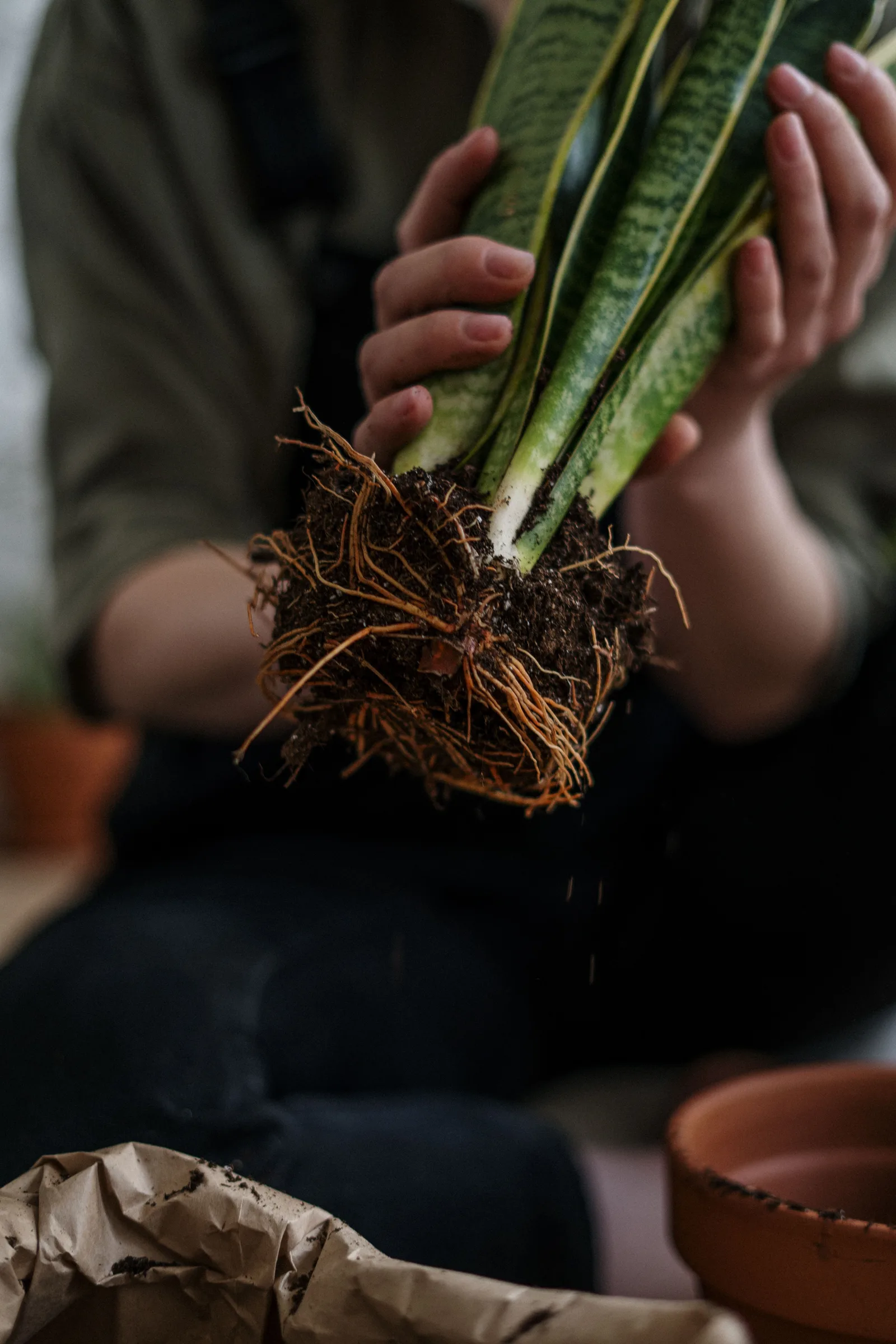
How to Actually Repot a Houseplant Without Damaging the Roots
Removing a stuck plant, loosening a dense root ball, and settling it into new soil correctly — the repotting steps most guides rush through.
-
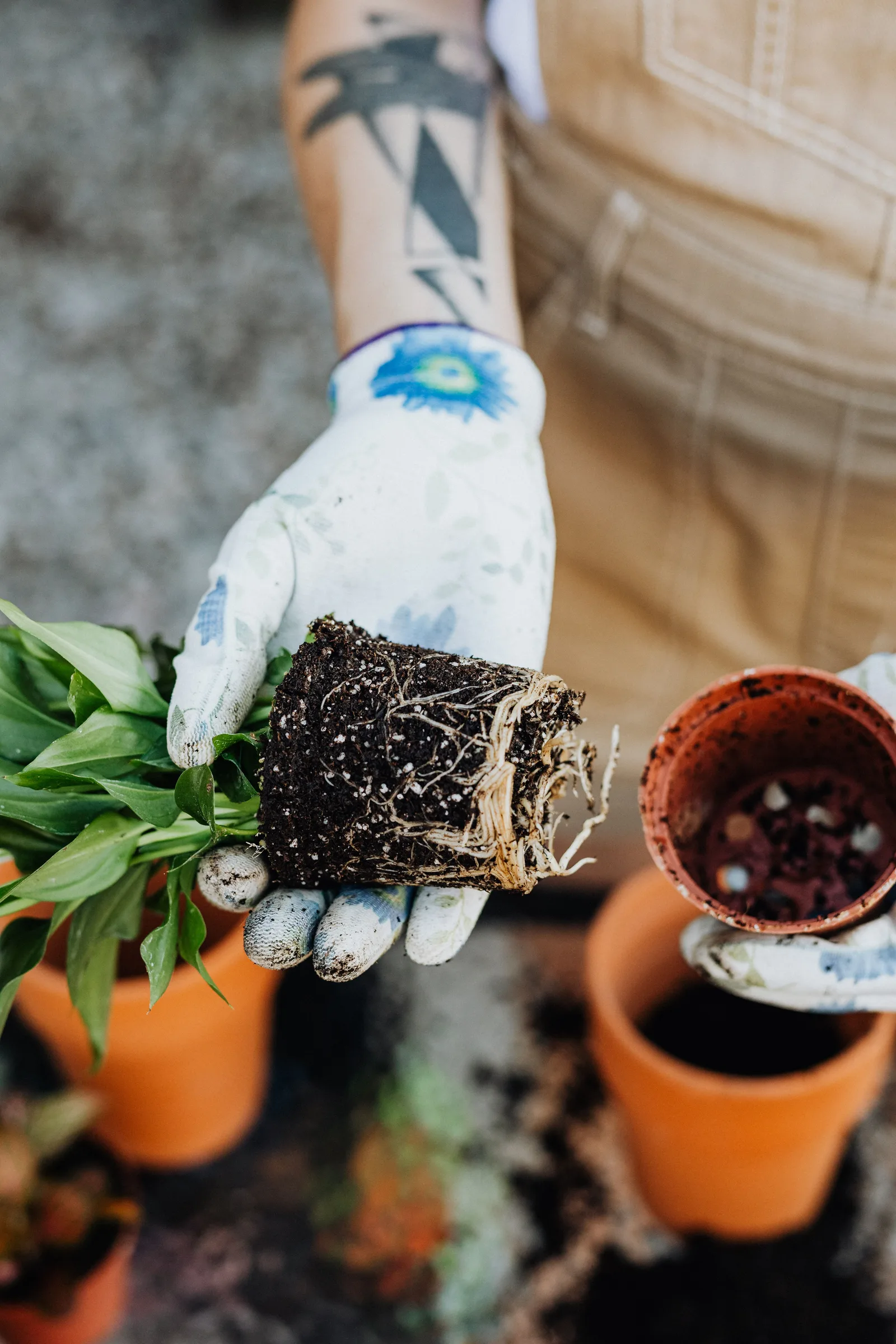
The Real Signs a Houseplant Needs Repotting (Not Just “It’s Been a Year”)
Roots circling the pot, water running straight through, and slowed growth are real repotting signals — a fixed yearly schedule usually isn’t.
-
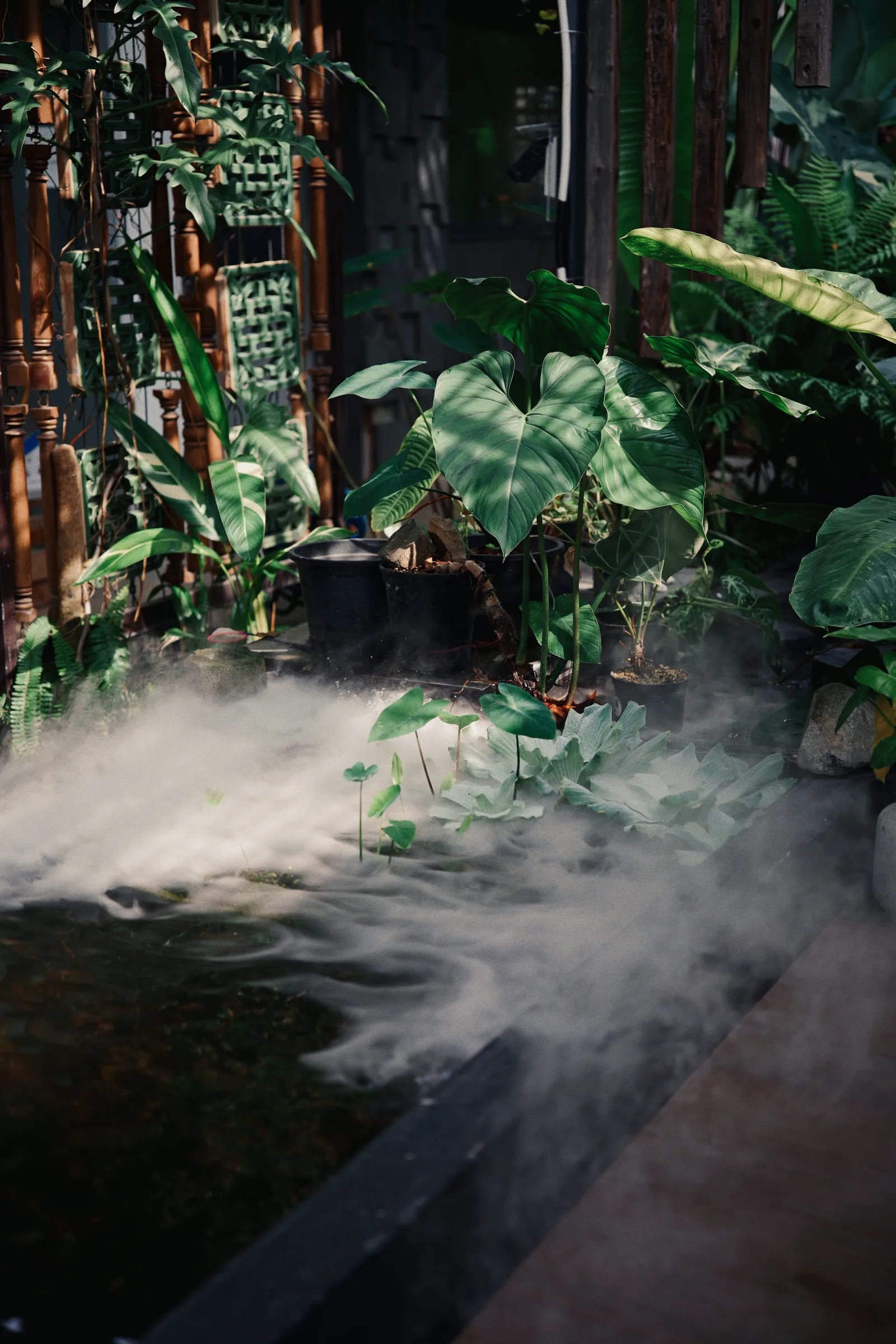
Why Misting Doesn’t Actually Fix Low Humidity for Houseplants
Misting raises humidity for only a few minutes. Here’s what actually works long-term — pebble trays, grouping, and humidifiers — and which plants really need it.
-
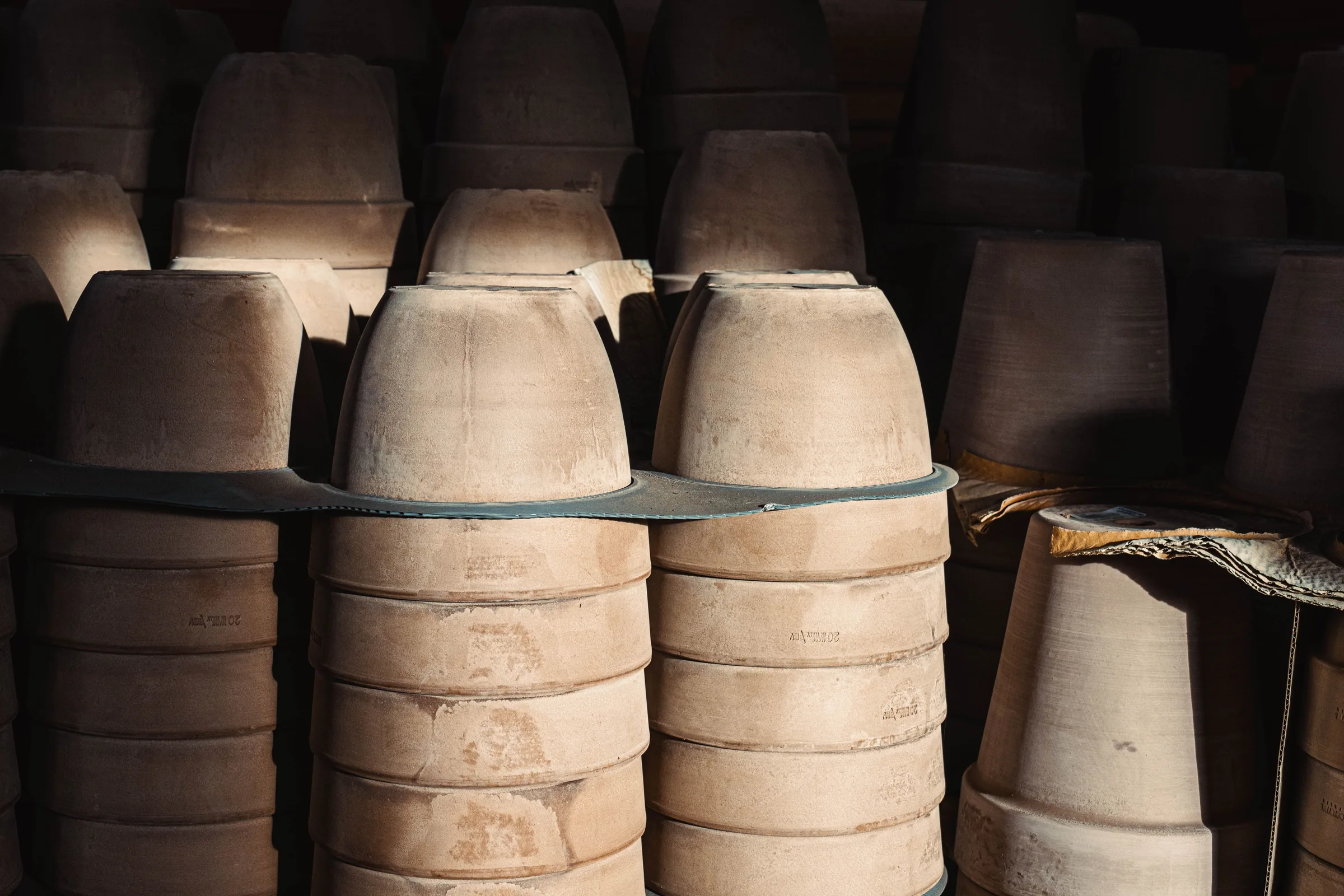
The Pot Matters More Than People Think: Drainage, Material, and Size
A drainage hole isn’t optional, pot material changes how often you’ll water, and oversizing a pot can actually hurt a plant. Here’s what actually matters.
-
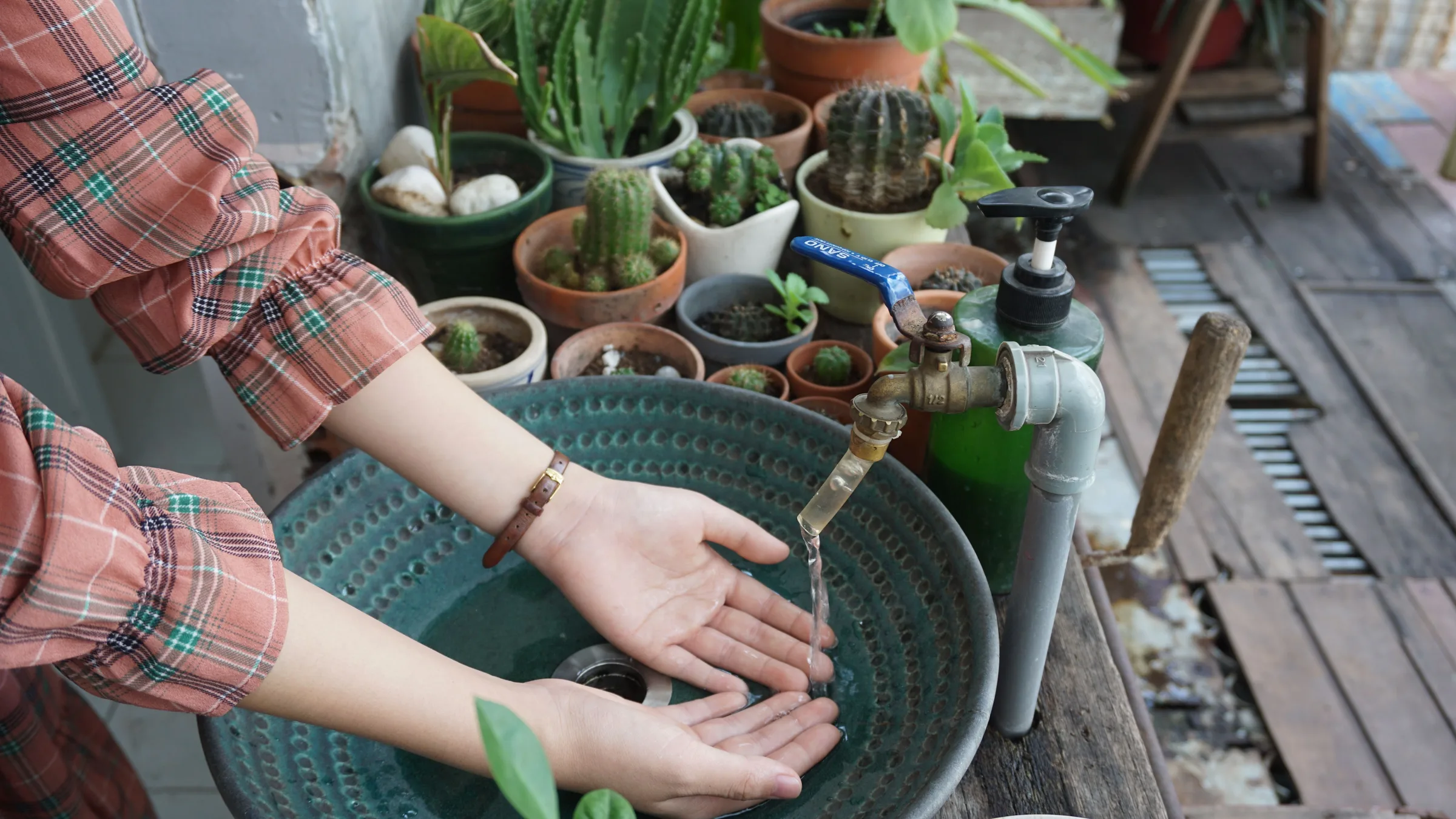
Does Tap Water Actually Hurt Houseplants? It Depends on the Plant
Most houseplants tolerate ordinary tap water fine, but a few sensitive species react to chlorine, fluoride, or hard water minerals. Here’s how to tell which is which.
-
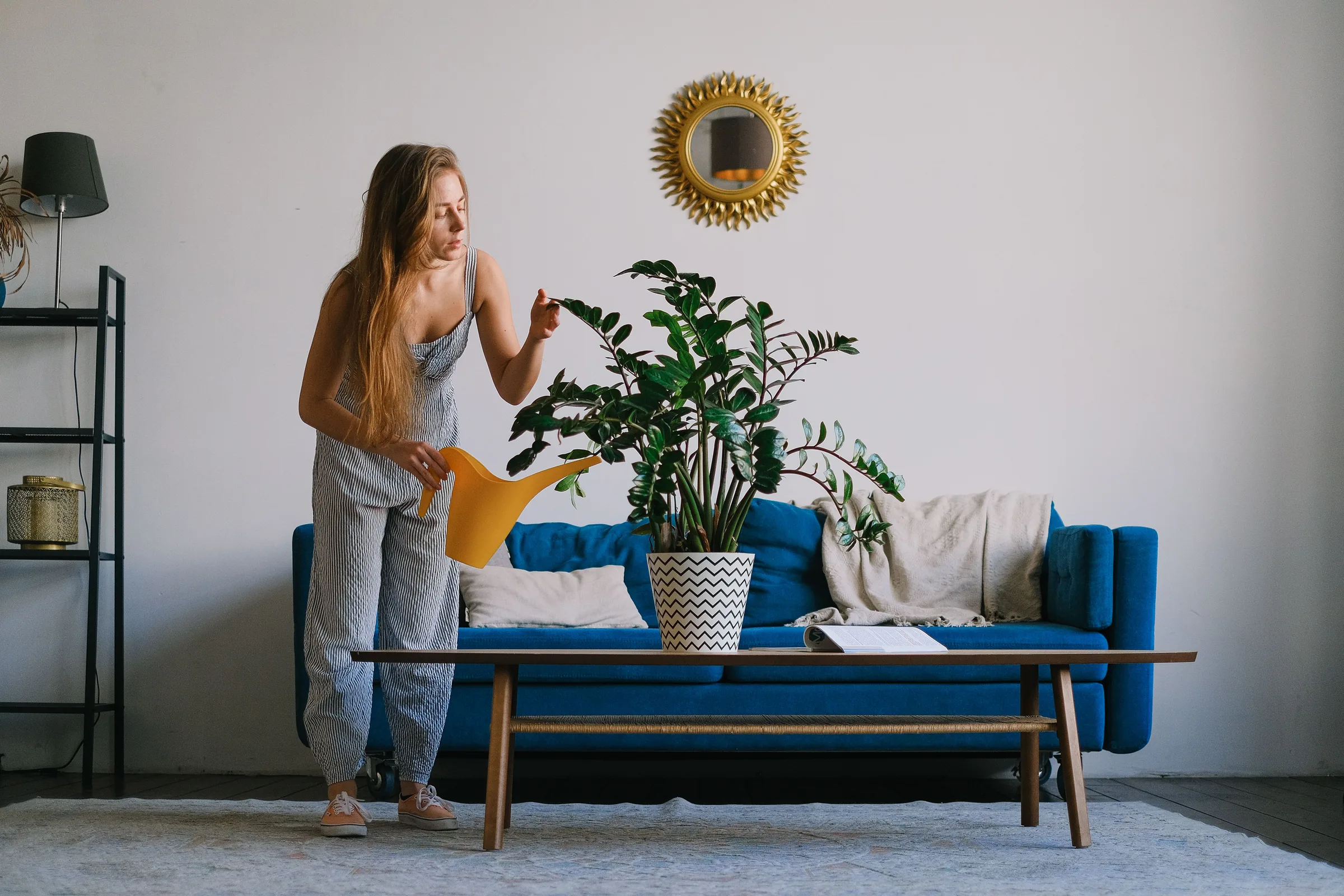
When to Actually Feed Houseplants (and When to Leave Them Alone)
Fertilizing a dormant plant does more harm than good. Here’s what N-P-K numbers mean, when to actually feed, and how to spot over-fertilizing before it damages roots.
-
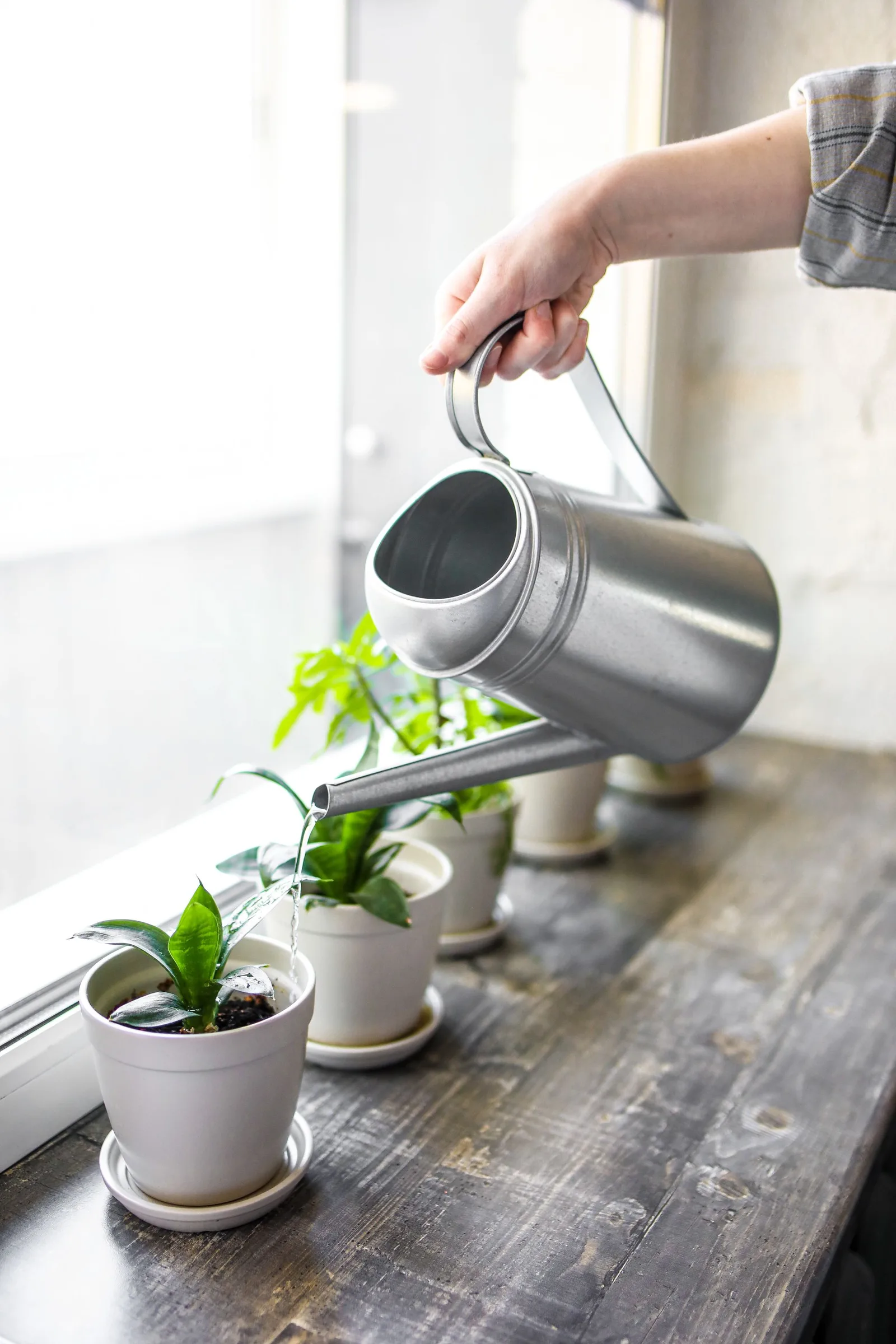
Why a Fixed Watering Schedule Is the Wrong Way to Water Houseplants
Watering on a fixed weekly schedule is the most common way houseplants die. Here’s the finger test and other checking methods that actually work.
-
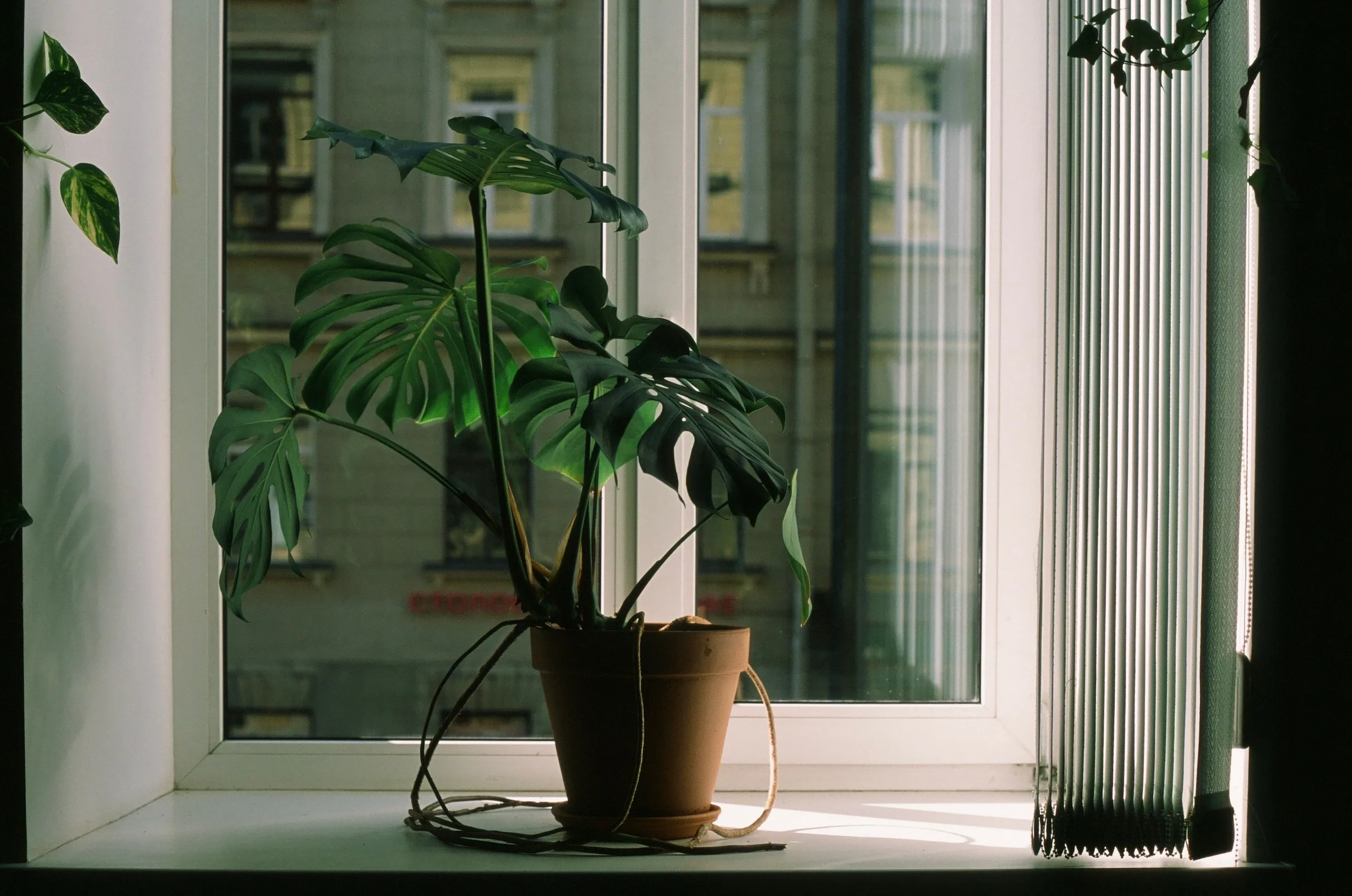
The Four Light Levels Every Houseplant Owner Should Learn to Read
How to read direct, bright indirect, medium indirect, and low light in your home, match plants to window direction, and spot the warning signs of bad placement.