
The Short Answer
A pot’s drainage, material, and size all directly affect how a plant’s roots experience water and air — not just how the pot looks on a shelf. Getting these three things right prevents a large share of the most common houseplant problems before they start.
Why a Drainage Hole Isn’t Optional
Without a drainage hole, excess water has nowhere to go and pools at the bottom of the pot, keeping the lowest roots constantly wet and eventually leading to root rot, even if the top of the soil looks and feels appropriately dry. A decorative pot without drainage can still be used, but only as an outer cover for a properly draining nursery pot placed inside it — known as a cachepot arrangement — rather than potting the plant directly into the decorative container.
How Pot Material Changes Watering Needs
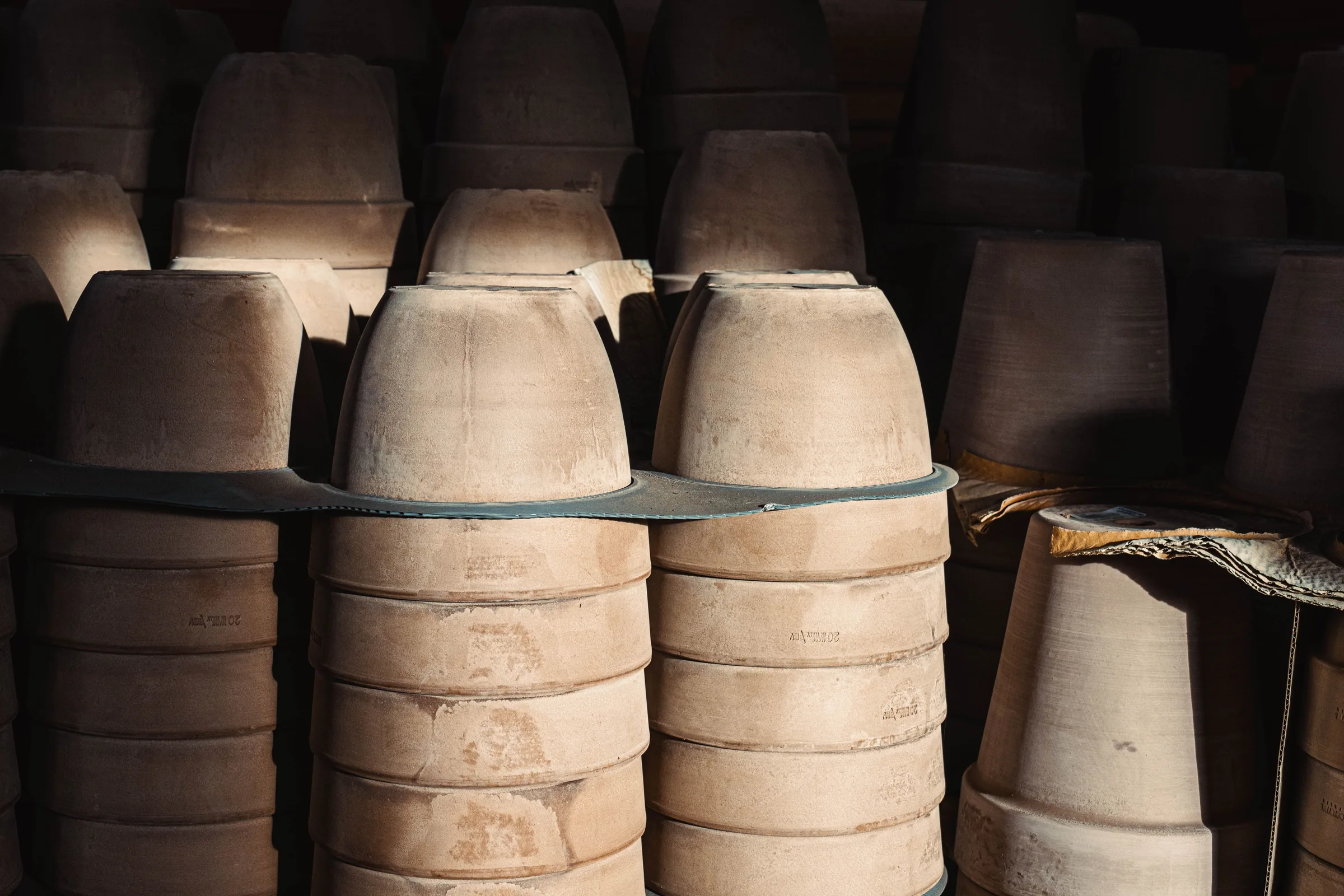
- Terra cotta (unglazed clay). Porous and allows moisture to evaporate through the walls, meaning plants in terra cotta dry out faster and need more frequent watering than the same plant in a non-porous material.
- Glazed ceramic. Non-porous, holding moisture longer than terra cotta — a better fit for plants that prefer consistently moist soil, and a riskier fit for plants prone to root rot if overwatered.
- Plastic. Lightweight, non-porous, and generally the most forgiving and affordable option, retaining moisture similarly to glazed ceramic while being easier to move for large plants.
- Metal. Usually used only as a decorative outer cachepot rather than a direct planting container, since metal can conduct heat and cold more than other materials and often lacks drainage.
Why Bigger Isn’t Always Better
Potting a plant into a container much larger than its current root system holds far more soil than the roots can actually use, and that excess soil stays wet for much longer after watering since there aren’t enough roots present to take up the moisture. This is a common, well-intentioned mistake — sizing up dramatically to “give the plant room to grow” — that actually increases the risk of root rot rather than helping growth. The general guidance is to move up only one to two inches in diameter at a time when repotting, rather than jumping to a significantly larger container.
Signs the Current Pot Is a Problem
- Water runs straight through and out the bottom almost immediately, suggesting the roots have filled the pot and there’s little soil left to hold moisture (time to size up).
- The pot stays heavy and the soil stays wet for many days after watering, suggesting the container may be too large for the current root system (may need to size down or wait before repotting again).
- Roots visibly growing out of the drainage hole or circling densely when the plant is lifted out, a clear sign it’s outgrown the current pot regardless of how the soil surface looks.
- A plant that dries out extremely fast, within a day or two of watering, which can indicate a pot that’s become too small relative to the plant’s current size.
FAQ
Can I drill a drainage hole into a pot that doesn’t have one?
Yes, for many ceramic and plastic pots, using an appropriate drill bit for the material (a masonry bit for ceramic, a standard bit for plastic) carefully and slowly to avoid cracking the container.
Is it fine to keep a plant in the plastic nursery pot it came in, inside a decorative pot?
Yes — this cachepot approach is common and practical, since it lets you use decorative pots without drainage holes while keeping the plant in a properly draining container underneath.
How do I know what size pot to choose when repotting?
As a general guide, choose a pot one to two inches larger in diameter than the current one, rather than jumping several sizes up at once, to avoid the excess-soil moisture problem that comes with oversizing.



