
The Short Answer
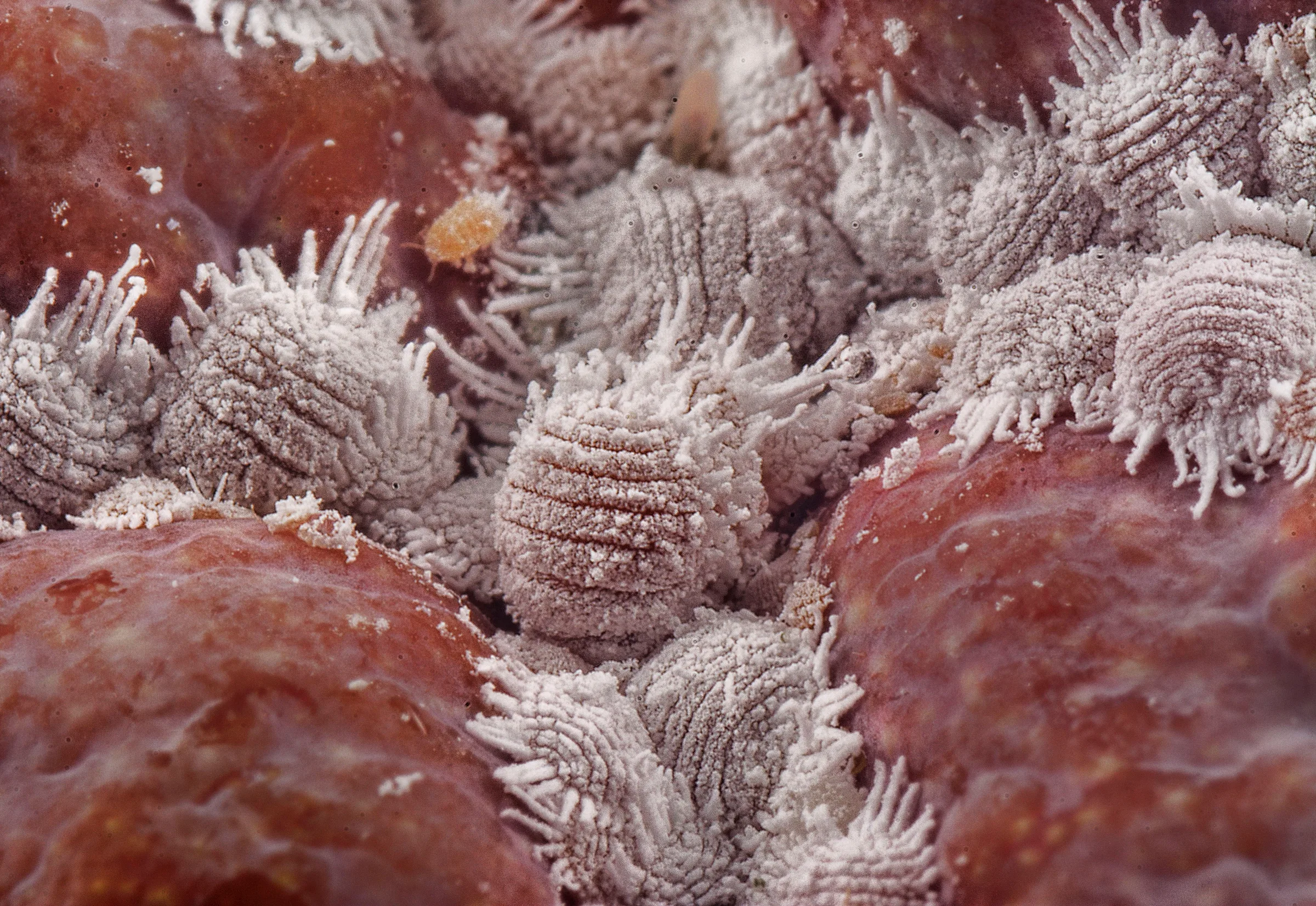
Mealybugs are small, soft-bodied insects that cover themselves in a white, waxy, cotton-like coating, making them one of the more visually distinctive common houseplant pests. They favor hidden spots — leaf joints, stem crevices, the undersides of leaves — which is part of why an infestation can go unnoticed until it’s already well established.
How to Identify Mealybugs
- Small, white, cottony clusters. The waxy coating mealybugs produce looks distinctly like tiny tufts of cotton or fuzzy white specks, usually clustered rather than scattered singly.
- Sticky honeydew residue. Like other sap-sucking insects, mealybugs excrete a sticky substance called honeydew as they feed, which can make nearby leaves or surfaces feel tacky.
- Sooty mold. A black, sooty-looking fungal growth can develop on the honeydew residue over time, which is often noticed before the mealybugs themselves are spotted.
- Hidden locations. Checking leaf axils (where a leaf meets the stem), the undersides of leaves, and around the base of the plant near the soil line catches mealybugs that aren’t visible from a casual glance at the plant’s exterior.
Why Mealybugs Are Particularly Persistent
Their waxy coating provides some physical protection against contact insecticides, which is part of why mealybugs have a reputation for being harder to fully eliminate than some other common houseplant pests. They also hide in protected crevices rather than sitting exposed on leaf surfaces, making it easy to miss individuals during a treatment and allowing a small remaining population to rebound.
Treating a Mealybug Infestation
- Isolate the plant. Mealybugs can spread between plants that are touching or placed close together, so separating an infested plant limits the spread while treating it.
- Manual removal with rubbing alcohol. Dabbing individual mealybugs directly with a cotton swab dipped in isopropyl alcohol dissolves their waxy coating and kills them on contact, which is a genuinely effective method for smaller infestations, even though it’s more labor-intensive than spraying.
- Insecticidal soap or neem oil. Applied thoroughly to all plant surfaces, including hidden crevices and leaf undersides, these are standard extension-recommended treatments, though thorough coverage matters more here than with more exposed pests since mealybugs hide in protected spots.
- Repeat treatment over multiple weeks. Given their protective coating and hidden habits, mealybugs typically require more persistent, repeated treatment than pests without a protective waxy layer.
Preventing Reinfestation
Inspecting new plants carefully before bringing them near an existing collection is a genuinely effective prevention step, since mealybugs are commonly introduced to a home through a single new, already-infested plant. Regularly checking leaf joints and stem crevices on established plants, rather than only looking when a problem is already visually obvious, also helps catch a new infestation before it spreads to other plants nearby.
FAQ
Can mealybugs survive without a host plant for very long?
Not typically for extended periods, though they can persist for a while in plant debris or soil, which is part of why thoroughly cleaning a pot and surrounding area, not just the plant itself, matters when addressing an infestation.
Are mealybugs harmful to humans or pets?
No — they feed exclusively on plant sap and pose no direct health risk to people or animals, though a heavy infestation can seriously weaken or eventually kill an affected plant if left untreated.
Why do my mealybugs keep coming back after I’ve treated them?
This is usually because some individuals, protected in hidden crevices or under their waxy coating, survived the initial treatment. Repeating treatment thoroughly on a consistent schedule, rather than treating once and stopping, is typically necessary to fully clear an established infestation.



