
The Short Answer
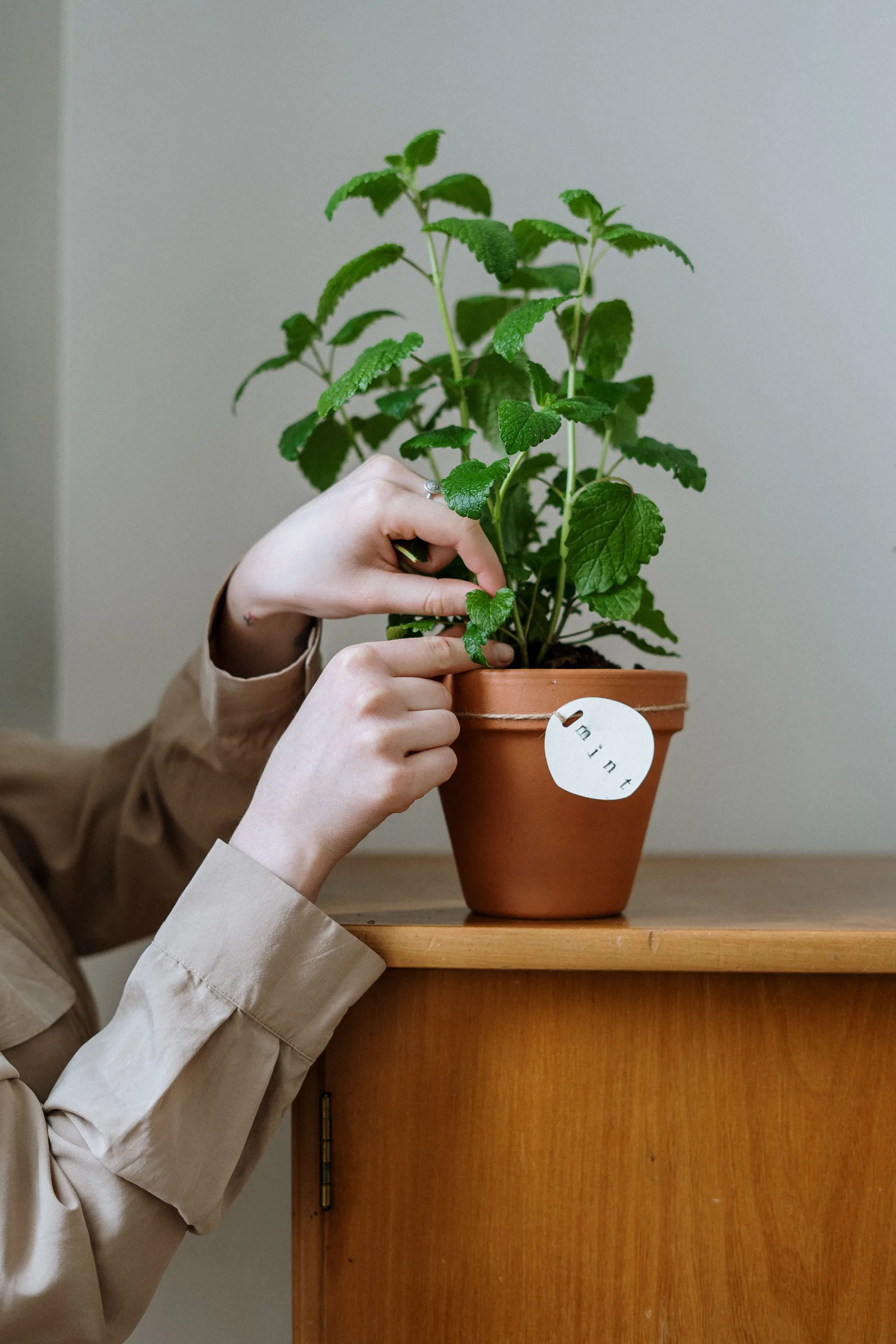
The small plastic care tag that comes with most nursery and big-box store plants is a useful starting point, but it’s usually too generic to serve as a plant’s only care reference — the same simplified terms like “moderate water” or “bright light” get applied broadly across dozens of unrelated species with genuinely different actual needs.
Why Generic Tags Fall Short
A care tag has limited physical space and is often written to apply broadly across a whole category of plants sold under one supplier, rather than being tailored to the specific cultivar in your pot. Terms like “bright light” or “water when dry” are vague enough to technically apply to plants with meaningfully different actual light and water tolerances, which is why two plants with similar-looking tags can have quite different real-world care needs.
What a Tag Usually Gets Right
Despite their limitations, tags are generally reliable for the plant’s name (though sometimes only a common name, not the more precise scientific name) and a rough, directionally correct sense of light and water preference — a tag suggesting “low light” is a legitimate signal that a plant is more shade-tolerant than one labeled “full sun,” even if the exact boundaries aren’t precisely defined.
What to Do Once You Get the Plant Home
- Look up the plant’s full scientific name (genus and species), not just its common name, since common names can vary regionally or overlap between unrelated plants.
- Check a university extension office’s fact sheet or a botanical garden’s plant database for that specific species, which typically gives more precise light, water, and soil guidance than a generic tag.
- Cross-reference the ASPCA’s toxic plant list if pets are in the home, since tags rarely include pet-safety information at all.
- Note the tag’s suggested pot size and growth habit as a rough baseline, but expect to verify eventual mature size against a more detailed source, since tags often reflect the plant’s current nursery size rather than its full growth potential.
Why Scientific Names Matter More Than They Seem
Common names can be inconsistent — “Peace Lily” isn’t a true lily, and various plants get called “Prayer Plant” across different genera. A tag reading just “Prayer Plant” doesn’t tell you whether you specifically have a Maranta or a Calathea, two related but distinct genera with somewhat different care preferences. Searching by scientific name, when the tag provides one, avoids this ambiguity and gets you to more precise, applicable care information.
Building a Better Reference Than the Tag Alone
Rather than relying on the tag indefinitely, using it as a starting point to look up a proper source — a university extension fact sheet, a botanical garden’s plant finder, or the RHS growing advice pages — and then keeping a personal note (even a simple photo of the tag alongside a link to the fuller resource) gives a far more reliable long-term reference than the small printed card that came with the plant.
FAQ
Should I keep the plastic tag, or is it safe to throw away once I’ve looked up better information?
It’s reasonable to keep it briefly for the name reference, but once you’ve identified the plant by its scientific name and found a more detailed source, the tag itself isn’t essential to hold onto long-term.
Are online care apps a good substitute for a proper extension fact sheet?
They vary widely in quality and sourcing — some are reasonably good, but it’s worth checking whether an app cites its information from a recognizable institution rather than presenting unsourced generic advice, similar to the concern with generic “free PDF” care guides.
What if a plant doesn’t come with any tag at all?
Identifying it by comparing leaf shape, growth habit, and any distinguishing features against a plant identification resource or asking staff at the point of purchase are reasonable starting points before searching for detailed care information.



