
The Short Answer
Dust accumulating on broad leaves blocks a meaningful amount of light from reaching the plant’s cells, directly reducing how efficiently it can photosynthesize. Regular, gentle cleaning — not necessarily a commercial leaf-shine product — keeps leaves working at their full capacity and also makes it easier to spot early signs of pests during the process.
Why Dust Matters More Than It Seems
Beyond the cosmetic effect of a dusty, dull-looking plant, an accumulated dust layer physically blocks light from reaching the leaf surface where photosynthesis occurs, and it’s also worth cleaning window glass itself periodically, since a season’s buildup of grime on the outside of a window can measurably dim what reaches a plant sitting on the sill. For plants already working with limited indoor light, this compounding effect — a dimmer window plus dusty leaves — can meaningfully slow growth over time.
How to Clean Broad, Smooth Leaves
- Wipe gently with a soft, slightly damp cloth or sponge, supporting the leaf from underneath with one hand while wiping the top surface with the other.
- Work from the base of the leaf toward the tip, following the leaf’s natural shape rather than scrubbing in random directions.
- For larger plants like Fiddle Leaf Fig, Monstera, or rubber plants, this is worth doing every few weeks, since their large leaf surface area collects dust noticeably faster than smaller-leaved plants.
- Avoid pressing hard enough to bruise or tear the leaf tissue, especially on younger, more tender new growth.
How to Clean Fuzzy or Textured Leaves
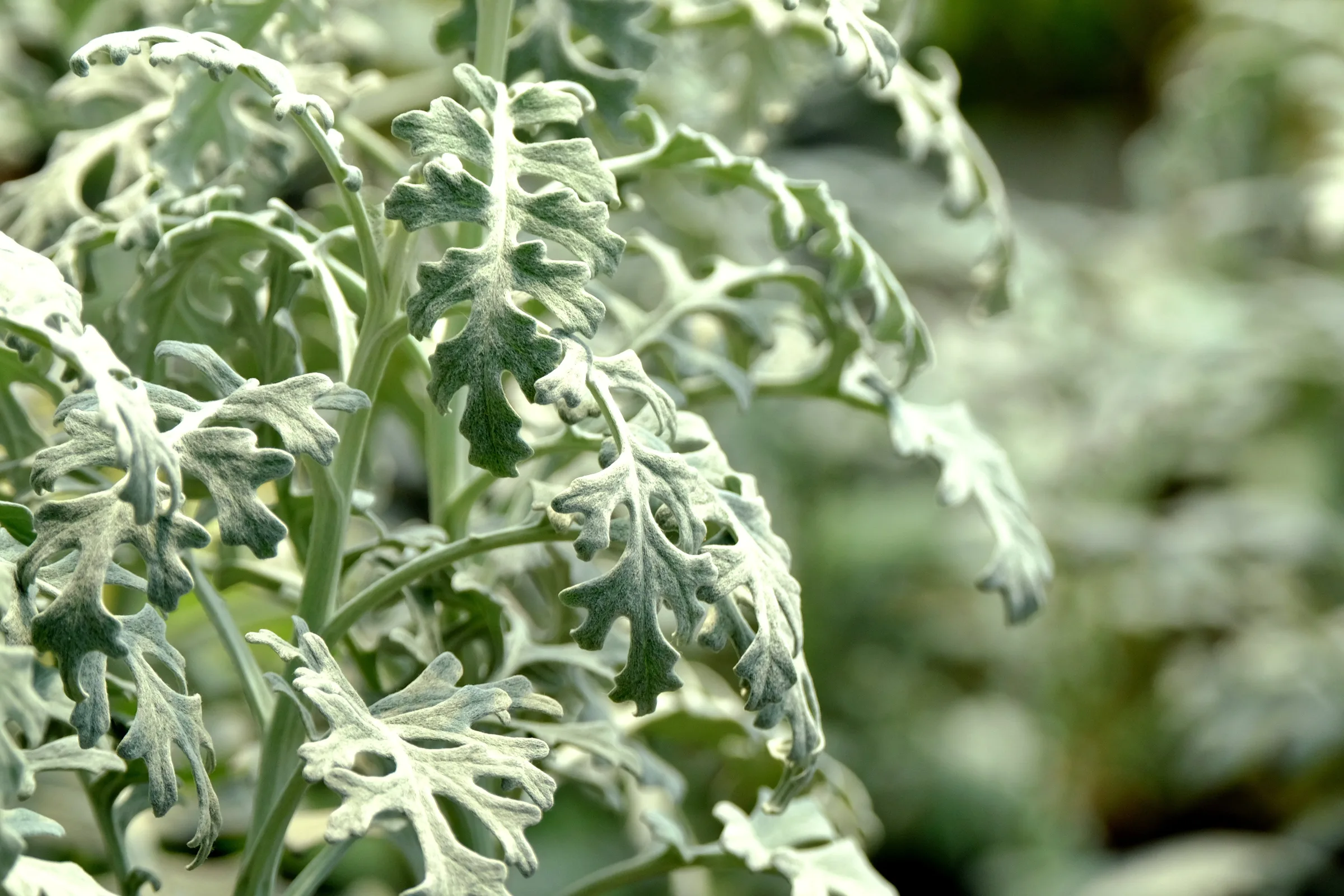
Plants with fuzzy leaves (like African Violets) or heavily textured leaves shouldn’t be wiped with a damp cloth the same way smooth-leaved plants are, since trapped moisture in the fuzz can lead to spotting or rot. A soft, dry brush — a small paintbrush or a dedicated soft-bristle brush — works better for these plants, gently brushing dust away without introducing moisture the leaf surface can’t easily shed.
How to Clean Small or Numerous Leaves
For plants with many small leaves where individual wiping isn’t practical, a gentle shower rinse with room-temperature water, held at a low pressure, can rinse dust off effectively without the labor of cleaning each leaf by hand. Letting the plant dry in a spot with good airflow afterward, rather than in a dim, poorly ventilated corner, reduces the risk of prolonged leaf wetness contributing to fungal issues.
Should You Use Commercial Leaf Shine Products?
Leaf shine products can make foliage look glossier, but some can leave a residue that clogs the leaf’s stomata (the small pores plants use for gas exchange), potentially interfering with the plant’s normal function over repeated use. A simple wipe with plain water achieves the practical goal — removing dust so light and gas exchange aren’t obstructed — without the added risk some commercial products carry.
FAQ
How often should houseplant leaves actually be cleaned?
Roughly every few weeks for larger, broad-leaved plants in typical household dust conditions, though this can be adjusted based on how quickly dust visibly accumulates in your specific home.
Can cleaning leaves help me spot problems early?
Yes — the process of wiping down leaves closely, including their undersides, is a natural opportunity to notice early pest activity (like the first signs of spider mites or scale) before an infestation becomes obvious from a distance.
Is it necessary to clean succulents and cacti the same way?
Not usually in the same way — many succulents have a natural waxy coating (called farina on some species) that shouldn’t be wiped off, since it serves a protective function; a gentle dusting with a dry, soft brush is generally safer for these plants than a damp cloth.



